
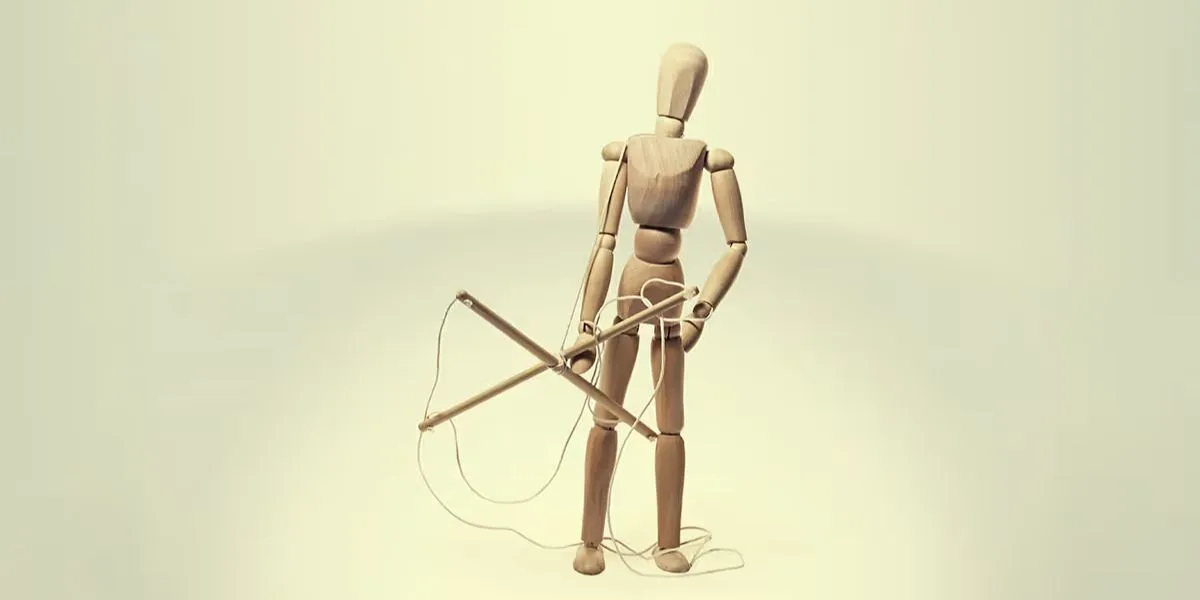
Սակայն խնդիրն ինքնին սխալը չէ, այլ այն, թե ինչպես ենք արձագանքում դրան։ Ճիշտ պահին և ճիշտ ձևով հակադարձելը կարող է կանխել լուրջ հետևանքներ, բարելավել որոշումների որակը և նույնիսկ բարձրացնել վստահությունը ձեր հանդեպ։
Ինչու՞ է դժվար հակադարձելը
Շատ մարդիկ խուսափում են հակադարձելուց՝ վախենալով հակասությունից, կոնֆլիկտից կամ իրենց հեղինակությանը վնասելուց։ Հատկապես աշխատանքային միջավայրում սխալ որոշմանը դեմ գնալը հաճախ ընկալվում է որպես անհնազանդություն կամ անձնական քննադատություն։ Սակայն իրականում առողջ կազմակերպություններում հակադարձումը դիտվում է որպես պատասխանատվության և մտածողության նշան։
Տարբերակեք «մարդուն» և «որոշումը»
Ամենակարևոր սկզբունքներից մեկը՝ երբեք մի նույնացրեք սխալ որոշումը այն կայացրած մարդու հետ։ Քննադատության թիրախը պետք է լինի որոշումը, ոչ թե անձը։ Այս մոտեցումը թույլ է տալիս պահպանել հարգանքը, նվազեցնել պաշտպանողական արձագանքը և բացել կառուցողական քննարկման դուռը։
Խոսեք փաստերով, ոչ թե զգացմունքներով
Հակադարձումը պետք է հիմնված լինի տվյալների, ռիսկերի գնահատման և հնարավոր հետևանքների վրա։
Փորձեք ձևակերպել ձեր մտքերը այս տրամաբանությամբ․
-
ի՞նչ է որոշման նպատակը
-
ի՞նչ ռիսկեր կամ բացթողումներ կան
-
ի՞նչ կարող է տեղի ունենալ կարճ և երկարաժամկետ հեռանկարում
Փաստարկված մոտեցումը ուժեղացնում է ձեր դիրքորոշումը և ցույց տալիս, որ դուք խնդիր եք լուծում, ոչ թե պարզապես դժգոհություն հայտնում։
Առաջարկեք այլընտրանք, ոչ միայն քննադատություն
Մաքուր հակադարձումը հազվադեպ է արդյունավետ լինում։ Եթե նշում եք խնդիրը, նույն պահին առաջարկեք նաև լուծում կամ այլընտրանքային սցենար։ Սա ձեզ դիրքավորում է ոչ թե որպես ընդդիմախոս, այլ որպես գործընկեր, ով մտածում է ընդհանուր նպատակի մասին։
Ընտրեք ճիշտ պահն ու ձևաչափը
Ժամանակն ու միջավայրը կարող են վճռորոշ լինել։ Սխալ որոշմանը հրապարակային հակադարձելը կարող է դառնալ պաշտպանողականության պատճառ։ Հաճախ ավելի արդյունավետ է քննարկումը տեղափոխել փակ ձևաչափ՝ անհատական հանդիպման կամ փոքր խմբի շրջանակում։
Օգտագործեք հարցերի ուժը
Երբեմն ուղղակի «չեմ համաձայնվում» ասելը պակաս արդյունավետ է, քան ճիշտ հարցեր տալը։ Օրինակ․
-
Իսկ ի՞նչ կլինի, եթե այս սցենարը չաշխատի
-
Արդյո՞ք մենք հաշվի ենք առել այս ռիսկը
-
Կա՞ այլ տարբերակ, որը կարող է ավելի քիչ վնասակար լինել
Հարցերը օգնում են զրույցը դարձնել վերլուծական, ոչ կոնֆլիկտային։
Երբ ընդունել և երբ՝ չշարունակել պայքարը
Կան իրավիճակներ, երբ դուք ներկայացրել եք բոլոր փաստարկները, բայց որոշումը մնում է անփոփոխ։ Այդ դեպքում կարևոր է գիտակցել՝ արժե՞ շարունակել պայքարը, թե՞ կենտրոնանալ վնասների նվազեցման վրա։ Խելացի հակադարձումը ներառում է նաև ժամանակին կանգ առնելու կարողությունը։
Սխալ որոշումներին հակադարձելը համարձակության, մտածողության և հաղորդակցման հմտությունների համադրություն է։ Ճիշտ մոտեցմամբ այն կարող է վերածվել ոչ թե կոնֆլիկտի, այլ զարգացման գործիքի՝ օգնելով կայացնել ավելի որակյալ որոշումներ և կառուցել ավելի առողջ միջավայր։