
9 Trends Shaping the Work Environment in 2026: Space and Ideas
Analysis |

The work environment of 2026 is defined by flexibility, technological integration, and human-centered leadership.
The work environment is undergoing a structural shift that goes far beyond remote access and flexible schedules. Organizations are redefining what “workplace” truly means — not just as a physical office, but as an ecosystem that integrates technology, culture, performance, and human experience. By 2026, space and ideas converge to create a more adaptive, digital, and people-centered model of work.
Below are nine major trends that will shape the work environment in 2026 and the years beyond.
1. Hybrid Work as a Permanent Structure
Hybrid work has evolved from a temporary adjustment into a strategic framework. Companies are designing intentional hybrid systems that balance remote flexibility with in-person collaboration. Offices are increasingly used for innovation sessions, leadership alignment, and team building rather than routine individual tasks.
2. Reimagined Physical Workspaces
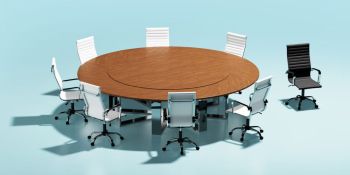
Traditional desk-based layouts are giving way to multifunctional environments. Collaboration hubs, quiet focus rooms, modular meeting areas, and technology-enabled conference spaces are becoming the norm. Office design now reflects company identity, culture, and strategic priorities.
3. Deep Technology Integration
Artificial intelligence, automation tools, cloud ecosystems, and predictive analytics are embedded in daily workflows. Routine operations are increasingly automated, allowing employees to focus on higher-value creative and strategic activities. Decision-making processes rely more heavily on real-time data dashboards and analytical insights.
4. Outcome-Based Performance Measurement
Organizations are shifting from time-based supervision to performance-based evaluation. Metrics such as OKRs, KPIs, and measurable project deliverables define success. This transformation strengthens accountability while fostering trust and autonomy among employees.
5. Employee Well-Being as a Core Business Strategy
Mental health, workload balance, and flexibility are now strategic priorities rather than optional benefits. Companies are implementing structured well-being programs, recognizing the direct link between employee resilience and long-term productivity.
6. Continuous Skill Development
Rapid technological evolution demands ongoing upskilling and reskilling. Companies are building internal learning platforms, offering micro-learning programs, and embedding continuous education into corporate culture. Critical thinking, digital literacy, adaptability, and communication skills are increasingly valued.
7. Data-Driven Workforce Management
HR analytics and business intelligence tools enable more informed decision-making. Organizations analyze engagement levels, productivity data, and retention patterns to anticipate risks and design more effective talent strategies.
8. Inclusion and Global Talent Integration
Remote work expands access to global talent pools. Teams are becoming more diverse and geographically distributed. While diversity enhances creativity and innovation, it also requires intentional leadership, cultural awareness, and inclusive communication strategies.
9. Sustainability and Corporate Responsibility
Environmental responsibility is integrated into workspace design and operational strategy. Energy-efficient buildings, reduced commuting, digital documentation, and carbon footprint reduction initiatives are shaping employer branding and long-term sustainability goals.
The work environment of 2026 is defined by flexibility, technological integration, and human-centered leadership. Organizations that successfully align space, innovation, and values will not only improve productivity but also build resilient systems capable of thriving in an increasingly complex global economy.
Share article





Follow us in social networks
Related posts
Analysis | 2026/04/16 17:42
Management tips to drive positive change in your team
Positive change in a team doesn’t happen by chance.




-
AraratBank’s Unwavering Commitment: 5 Years, 172 Beneficiaries, and over 100 Projects
2026/04/18/ 16:38 -
How to adapt to a new work environment: practical tips
2026/04/16/ 18:17 -
Management tips to drive positive change in your team
2026/04/16/ 17:42 -

Grant Akopian Appointed CEO and Chairman of the Management Board of Converse Bank
2026/04/16/ 16:42 -
AraratBank’s Special Offer at Leasing Expo Attracts Strong Customer Interest
2026/04/16/ 12:32 -
Success starts with responsibility: how to act when all eyes are on you
2026/04/15/ 18:33 -

Flexible Terms when Transferring your Mortgage Loan to AraratBank
2026/04/14/ 17:30 -

Karen Yeghiazaryan at the IMF and WBG Spring Meetings 2026
2026/04/14/ 17:07 -
The Art of Decision-Making Under Uncertainty: A Formula for Success
2026/04/13/ 18:26 -
In Winner-Take-All Markets, Diversification Is a Liability
2026/04/13/ 17:17
 Subscribe