

Why the New Generation Is Rejecting the Idea of “Dedicating Your Life to Work”
Analysis |
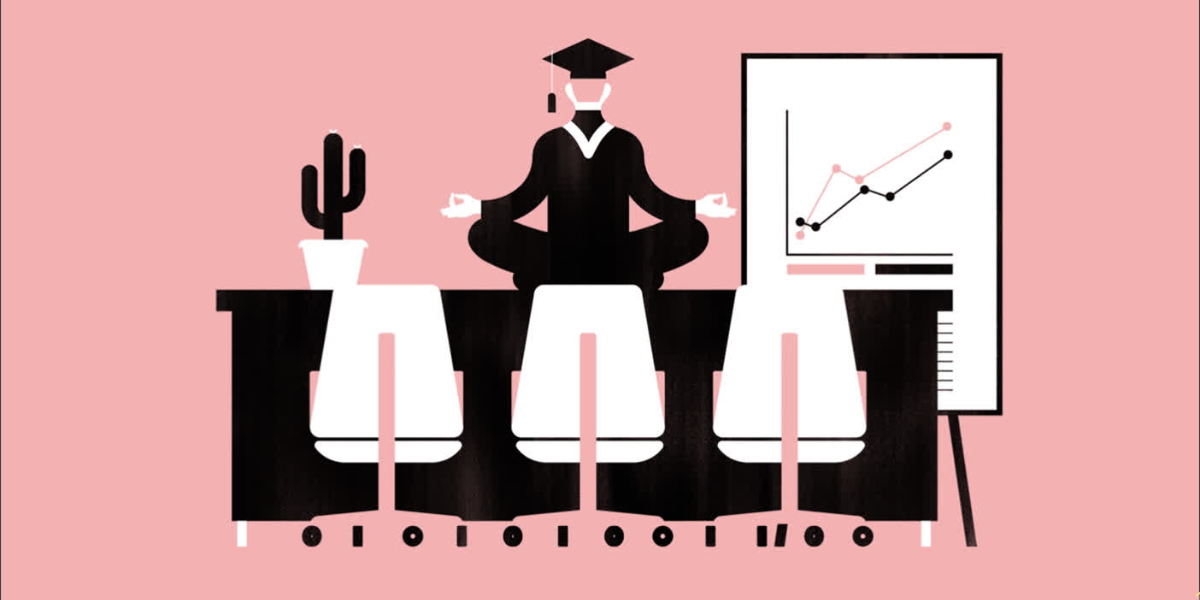
Work has shifted from being the core of identity to being just one part of a much broader life.
Work culture has transformed faster in the past few decades than ever before. The idea that a person should devote their life to work, spend most of their time in the office, prove loyalty through overwork, and measure success by how busy they are no longer resonates with the new generation. This shift does not mean that young people don’t want to work or grow. In fact, they work hard — but not at the cost of their lives. They are rejecting a model in which work becomes the center of existence.
This change has deep social, psychological, economic, and cultural roots. The new generation grew up in a world defined by instability, rapid change, and constant uncertainty. They witnessed previous generations dedicate decades to their jobs, often without receiving true security or stability in return. Many saw how a single crisis or a single employer’s decision could take away everything. Loyalty stopped guaranteeing safety, and work stopped guaranteeing identity.
As a result, a new mindset emerged: a person’s value is not determined by how much they work but by how they live. Life is no longer built around the office. The new generation prioritizes mental well-being, personal time, meaningful relationships, creativity, and balance. Work has shifted from being the core of identity to being just one part of a much broader life.
The definition of success has also changed. Where success once meant a stable career path, long hours, and visible professional status, it now has many shapes. Success can mean flexibility, personal autonomy, emotional stability, the absence of burnout, or the freedom to choose one’s direction. It has become just as much an inner state as an external achievement.
Economic realities have reinforced this shift. One job is no longer enough to guarantee stability. Remote work, freelance opportunities, project-based employment, and rapid market changes have taught young professionals not to depend on a single employer or a single skill. They build layered careers and explore multiple directions simultaneously. Career paths now look less like ladders and more like maps.
Mental health is another major factor. Young people today fully understand how toxic environments, unrealistic workloads, or constant pressure can damage not only their motivation but their quality of life. Therefore they are willing to leave workplaces that drain them emotionally. For them, work must fit into life — not consume it.
This is not a rejection of growth or ambition. It is a shift toward a more mature, more balanced relationship with work. The new generation refuses the idea that success must come through sacrifice or exhaustion. And as more people choose to live fully beyond their jobs, the labor market is reshaped accordingly. Employers are forced to create healthier, more flexible, more human-centered environments. Collaboration replaces hierarchy, and work becomes just one dimension of life, not its entirety.
The new generation’s choice is guided by a simple truth: life is far too big to be defined by work alone. And as this understanding continues to spread, the future of work becomes more humane.
Share article





Follow us in social networks
Related posts



-

Safe Workplace as a Guarantee of Development
2026/03/12/ 17:43 -

The secret of effective work meetings: conditions and timing
2026/03/12/ 17:32 -

Public image as a driver of personal brand development
2026/03/12/ 17:20 -

Dekavva Foundation Launches
2026/03/12/ 17:13 -

Spring Promotion at Megamall from Idram&IDBank
2026/03/12/ 12:03 -

Work productivity begins with strong immunity: how to recover after a working day
2026/03/11/ 18:48 -

“We want to buy your item, please provide your card details.” IDBank warns about fraud on classified platforms
2026/03/11/ 14:22 -

IDBank Goes Global: Mher Abrahamyan's Interview with the Los Angeles Times
2026/03/10/ 14:38 -
AraratBank Earns RIA Money Transfer’s Partner of the Year in Armenia for the Seventh Consecutive Year
2026/03/09/ 15:57 -

The weekend is ahead: how not to waste your time
2026/03/06/ 18:09
 Subscribe