

Public image as a driver of personal brand development
Analysis |

A strong personal brand is closely connected to a clear value system.
In today's society, a person’s success is influenced not only by professional expertise but also by the image they project to the public. Public image is shaped by behavior, communication style, values, professional activity, and the perception that audiences develop over time. Gradually, this image becomes a powerful factor that can significantly contribute to the growth of a personal brand.
A personal brand represents the set of associations, impressions, and expectations that people connect with a particular individual. When a person clearly communicates their values, ideas, and professional perspective, their public image begins to function as a source of recognition and trust. Over time, it evolves into the foundation of reputation.
Consistency is one of the most important characteristics of a strong public image. When an individual maintains the same values and principles across different platforms—such as public speaking, professional publications, interviews, or social media—audiences begin to perceive them as reliable and authentic. This consistency becomes a valuable asset in building long-term credibility.
Public image also plays a critical role in differentiation. In many industries, the number of professionals with similar expertise is constantly growing. However, only a few manage to create a memorable and influential presence. When someone communicates their story, experience, and worldview clearly, they move beyond the role of a simple specialist and become a voice of ideas and perspectives.
Personal narrative is another powerful component. People tend to remember stories far more easily than isolated facts. When a public image is shaped through personal experiences, challenges, and achievements, audiences develop a stronger emotional connection with the individual. This emotional dimension significantly strengthens personal brand recognition.
Communication style is equally important. It is not only about what a person says but also how the message is delivered. Transparent, confident, and authentic communication builds trust. When such communication is supported by knowledge and expertise, it gradually forms authority.
Public image can also expand professional opportunities. Organizations, media outlets, and partners are more inclined to collaborate with individuals who already possess a recognized reputation. In this sense, public image becomes not merely a matter of perception but a practical tool that opens doors to new projects, partnerships, and influence.
A strong personal brand is closely connected to a clear value system. When individuals understand what they represent and what principles they stand for, their image becomes more coherent and understandable to their audience. As a result, they are perceived not only as professionals but also as representatives of certain ideas and values.
Visibility plays an essential role as well. Articles, public talks, interviews, expert commentary, and activity across digital platforms collectively shape the informational space in which a person appears to the public. When this presence is developed strategically and thoughtfully, the recognition of the personal brand grows significantly faster.
At the same time, authenticity remains fundamental. A public image should reflect genuine experience, knowledge, and values. When it is grounded in reality, it becomes sustainable and credible, allowing the personal brand to develop organically rather than relying on temporary impressions.
In this context, public image becomes a strategic resource that strengthens reputation, expands influence, and creates new opportunities for personal brand growth.
Share article





Follow us in social networks
Related posts




-

Safe Workplace as a Guarantee of Development
2026/03/12/ 17:43 -

The secret of effective work meetings: conditions and timing
2026/03/12/ 17:32 -

Public image as a driver of personal brand development
2026/03/12/ 17:20 -

Dekavva Foundation Launches
2026/03/12/ 17:13 -

Spring Promotion at Megamall from Idram&IDBank
2026/03/12/ 12:03 -

Work productivity begins with strong immunity: how to recover after a working day
2026/03/11/ 18:48 -

“We want to buy your item, please provide your card details.” IDBank warns about fraud on classified platforms
2026/03/11/ 14:22 -

IDBank Goes Global: Mher Abrahamyan's Interview with the Los Angeles Times
2026/03/10/ 14:38 -
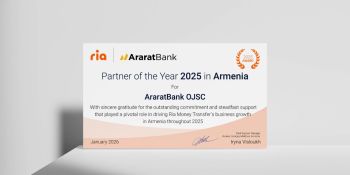
AraratBank Earns RIA Money Transfer’s Partner of the Year in Armenia for the Seventh Consecutive Year
2026/03/09/ 15:57 -

The weekend is ahead: how not to waste your time
2026/03/06/ 18:09
 Subscribe