

Effective Time Management Methods: Balancing Work and Daily Life
Analysis |

Effective time management is a habit, not a one-time action.
Time is the most valuable and irreplaceable resource, yet many people manage it intuitively rather than strategically. This often results in constant stress, fatigue, and an imbalance between professional and personal life. Effective time management aims not only to increase productivity but also to enhance overall well-being.
Why Time Management Matters
Poor time management leads to:
-
chronic stress,
-
unfinished tasks,
-
neglect of personal life,
-
decreased motivation.
A structured approach, on the other hand, allows individuals to achieve more in less time.
Key Methods
1. Clear Goal Setting (SMART goals)
Unclear goals waste time. Effective goals are Specific, Measurable, Achievable, Realistic, and Time-bound.
2. Task Prioritization (Eisenhower Matrix)
Tasks are categorized based on urgency and importance, helping focus on high-impact activities.
3. Planning and Scheduling
Daily and weekly planning reduces uncertainty and mental overload, increasing control over time.
4. Time Blocking Technique
The day is divided into dedicated time blocks for specific activities, improving focus and reducing multitasking.
5. Managing Digital Distractions
Notifications and social media are major time thieves. Limiting them significantly improves concentration and efficiency.
Work–Life Balance
Time management should also include rest, physical activity, family time, and personal development. True balance begins when both work and life receive equal attention.
Effective time management is a habit, not a one-time action. With conscious effort and regular reflection, time becomes a powerful tool for growth rather than a source of pressure.
Share article





Follow us in social networks
Related posts




-

Investment Offer for Women
2026/03/13/ 18:31 -

Safe Workplace as a Guarantee of Development
2026/03/12/ 17:43 -

The secret of effective work meetings: conditions and timing
2026/03/12/ 17:32 -

Public image as a driver of personal brand development
2026/03/12/ 17:20 -

Dekavva Foundation Launches
2026/03/12/ 17:13 -

Spring Promotion at Megamall from Idram&IDBank
2026/03/12/ 12:03 -

Work productivity begins with strong immunity: how to recover after a working day
2026/03/11/ 18:48 -

“We want to buy your item, please provide your card details.” IDBank warns about fraud on classified platforms
2026/03/11/ 14:22 -

IDBank Goes Global: Mher Abrahamyan's Interview with the Los Angeles Times
2026/03/10/ 14:38 -
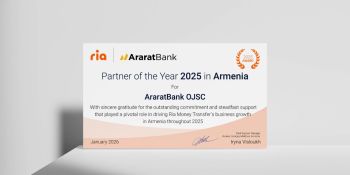
AraratBank Earns RIA Money Transfer’s Partner of the Year in Armenia for the Seventh Consecutive Year
2026/03/09/ 15:57
 Subscribe