

Making a Big Career Transition the Right Way — Without Losing Yourself
Analysis |

A major career transition is more than a professional decision.
For many, it represents a personal turning point that challenges identity, values, and long-held assumptions about success and fulfillment.
Why people consider career changes
Common reasons include burnout, misalignment with personal values, lack of purpose, or the desire for growth. Over time, what once felt meaningful may no longer resonate, prompting individuals to seek a new direction.
Identity beyond job titles
One of the biggest risks during a career transition is tying self-worth entirely to a professional role. A job is a function, not an identity. Understanding personal strengths, values, and motivations provides stability when external circumstances change.
The importance of a conscious transition
Impulsive decisions often lead to repeated dissatisfaction. A thoughtful transition involves reflection, skill development, and gradual experimentation. Exploring a new field through learning, side projects, or mentorship allows for informed choices without unnecessary disruption.
Navigating external expectations
Family, colleagues, and society often have strong opinions about career decisions. While external feedback can be valuable, sustainable change requires listening to one’s inner compass rather than conforming to external pressure.
Career change as personal evolution
A healthy career transition is driven by growth, not escape. When the new path aligns with personal values and long-term vision, change becomes a continuation of identity rather than a loss of it.
Share article





Follow us in social networks
Related posts



-
Safe Workplace as a Guarantee of Development
2026/03/12/ 17:43 -

The secret of effective work meetings: conditions and timing
2026/03/12/ 17:32 -

Public image as a driver of personal brand development
2026/03/12/ 17:20 -

Dekavva Foundation Launches
2026/03/12/ 17:13 -

Spring Promotion at Megamall from Idram&IDBank
2026/03/12/ 12:03 -

Work productivity begins with strong immunity: how to recover after a working day
2026/03/11/ 18:48 -

“We want to buy your item, please provide your card details.” IDBank warns about fraud on classified platforms
2026/03/11/ 14:22 -

IDBank Goes Global: Mher Abrahamyan's Interview with the Los Angeles Times
2026/03/10/ 14:38 -
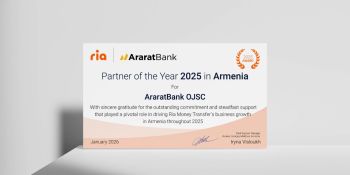
AraratBank Earns RIA Money Transfer’s Partner of the Year in Armenia for the Seventh Consecutive Year
2026/03/09/ 15:57 -

The weekend is ahead: how not to waste your time
2026/03/06/ 18:09
 Subscribe