

Stress Resilience: Effective Tools for Professional and Personal Success
Analysis |

Recognizing emotional responses helps prevent absorption of external stress.
The modern workplace is defined by constant pressure—tight deadlines, high expectations, rapid change, and continuous human interaction. Beyond personal workload, professionals often absorb stress from their environment. This phenomenon, known as secondary stress, significantly impacts performance and well-being.
Stress resilience is no longer optional. It is a core competency for sustainable success in both business and personal development.
Understanding stress resilience
Stress resilience is the ability to maintain mental clarity, emotional balance, and performance under pressure. It does not mean eliminating stress, but managing it consciously and effectively.
Resilient professionals are able to:
-
adapt quickly,
-
make rational decisions,
-
maintain healthy boundaries,
-
recover without long-term exhaustion.
Why stress resilience matters in business
Organizations with resilient teams benefit from:
-
higher productivity,
-
faster adaptation to change,
-
reduced burnout risk,
-
stronger and healthier workplace culture.
Stress resilience has become a strategic advantage in competitive business environments.
Practical approaches to building stress resilience
1. Boundary management
Clear professional and personal boundaries reduce ongoing tension and prevent stress accumulation.
2. Information discipline
Managing information intake is as important as managing time.
3. Emotional awareness
Recognizing emotional responses helps prevent absorption of external stress.
4. Recovery as a strategy
Rest, movement, and mental breaks are essential components of long-term effectiveness.
Personal resilience as a driver of success
Stress resilience strengthens confidence, leadership capacity, and decision-making under uncertainty. Sustainable professional success is built on internal stability and conscious self-management.
Share article





Follow us in social networks
Related posts



-
Safe Workplace as a Guarantee of Development
2026/03/12/ 17:43 -

The secret of effective work meetings: conditions and timing
2026/03/12/ 17:32 -

Public image as a driver of personal brand development
2026/03/12/ 17:20 -

Dekavva Foundation Launches
2026/03/12/ 17:13 -

Spring Promotion at Megamall from Idram&IDBank
2026/03/12/ 12:03 -

Work productivity begins with strong immunity: how to recover after a working day
2026/03/11/ 18:48 -

“We want to buy your item, please provide your card details.” IDBank warns about fraud on classified platforms
2026/03/11/ 14:22 -

IDBank Goes Global: Mher Abrahamyan's Interview with the Los Angeles Times
2026/03/10/ 14:38 -
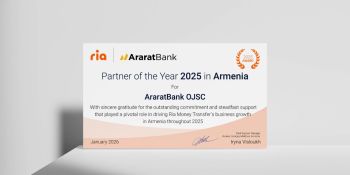
AraratBank Earns RIA Money Transfer’s Partner of the Year in Armenia for the Seventh Consecutive Year
2026/03/09/ 15:57 -

The weekend is ahead: how not to waste your time
2026/03/06/ 18:09
 Subscribe