

Why working more no longer “works”: how to boost team efficiency
Analysis |

You’re useful when what you do brings results.
Share article





Follow us in social networks
Related posts


Analysis | 2025/12/03 19:00
How the People Who Truly Earn Big Money Think Introduction
Advice on success is everywhere.



Analysis | 2025/12/02 15:47
Steve Jobs’ 7 Rules For Success — That Still Apply Today
dream bigger

-

The Big Impact of Small Financial Mistakes: How Minor Errors Threaten an Entire Business
2025/12/07/ 17:56 -

2026 Business Trends: From AI Acceleration to Evolving Customer Behavior
2025/12/06/ 18:06 -
Why Money Has a Psychological Impact on Us: How to Avoid Losing Your Sense of Self
2025/12/05/ 19:00 -
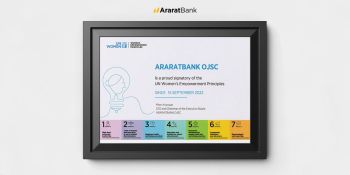
AraratBank Participates in “Women’s Empowerment Principles in Armenia” Conference
2025/12/05/ 18:07 -

How to Free Yourself From Overthinking and Make Confident Choices Every Time
2025/12/04/ 19:00 -

Acba bank and France’s Proparco to continue strengthening their long-term strategic partnership
2025/12/04/ 14:24 -

The power of Armenian nature, the secret of your beauty.
2025/12/04/ 10:44 -
How the People Who Truly Earn Big Money Think Introduction
2025/12/03/ 19:00 -

€500,000 Investment for Circular Economy Development in Armenia
2025/12/03/ 16:21 -

AraratBank Joins Armenia's New Greening Initiative: 100 Hectares of New Forest within Three Years
2025/12/03/ 12:36
 Subscribe