

How Automation Will Reshape the Structure of the Labor Market
Analysis |
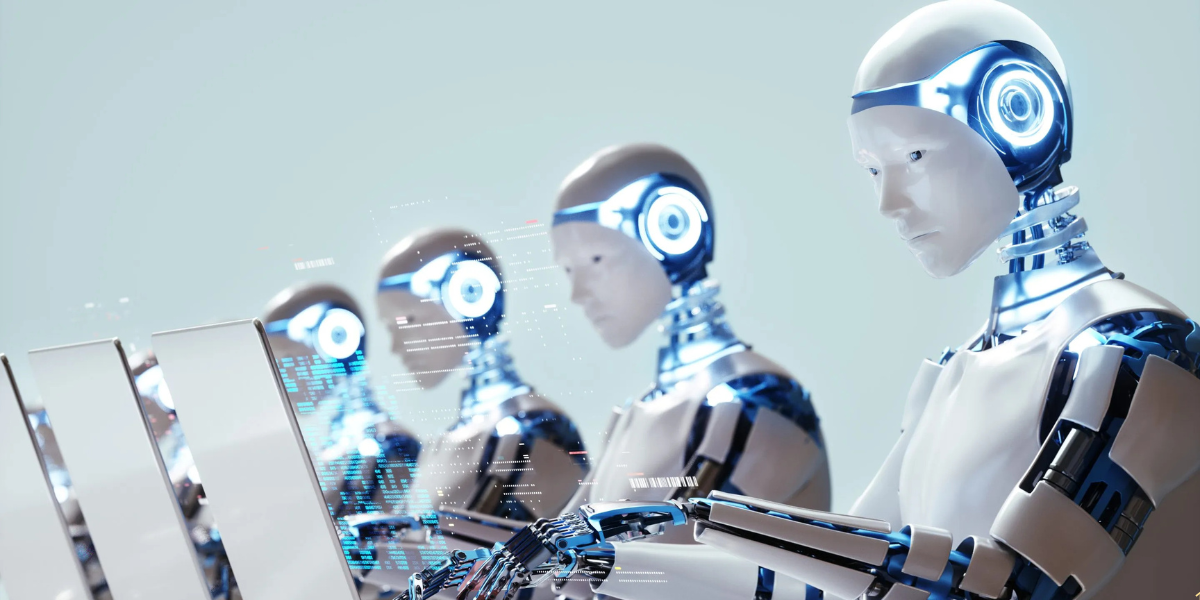
One of the most significant effects of automation is the change in job content.
The world is entering a technological phase in which automation is no longer just about accelerating production — it is transforming the entire architecture of the labor market. This shift goes far beyond factories. It is reshaping offices, finance, logistics, healthcare, education, marketing, and even creative industries. The question is no longer whether automation will change the labor market, but how profoundly it will redefine the role of human work.
One of the most significant effects of automation is the change in job content. If machines used to replace repetitive physical labor, today algorithms and AI systems are beginning to take over routine intellectual tasks: reporting, basic data analysis, customer support, simple legal operations, financial calculations, preliminary medical diagnostics, and more. This alters not only tasks but the very structure of professions.
The labor market is splitting into two broad categories: work that can be automated, and work that requires uniquely human qualities — intuition, empathy, creativity, strategic judgment, interpersonal communication. The more predictable and repeatable a task is, the more likely it will be handled by machines. The more human depth it requires, the more valuable it becomes.
Skill requirements are changing as well. The main competitive advantage is no longer technical expertise but adaptability: the ability to learn quickly, master new tools, and rethink processes. Workers who only follow instructions lose relevance. Those who can create, analyze, integrate technologies, and think critically will define the future. Hybrid skill sets — a combination of digital literacy and human capabilities — become essential.
Automation is also transforming the relationship between workers and employers. As companies automate larger portions of operations, they become less dependent on conventional workforce structures. Work becomes more flexible — project-based, remote, contract-based, or part-time. Hierarchies flatten. Team autonomy grows. The labor model becomes more networked and less vertical.
But automation introduces risks. Highly skilled and adaptive workers benefit the most, while those in easily automated roles face vulnerability. This creates one of the main socio-economic challenges: reskilling people fast enough to keep pace with disappearing jobs. Poor adaptation could deepen inequality.
Automation also reshapes workplace culture. It eliminates unnecessary bureaucracy and accelerates decisions, but can reduce human interaction and increase feelings of isolation. The strongest organizations of the future will be those that integrate technology while maintaining psychological safety and trust, ensuring employees understand the purpose behind change.
Ultimately, automation does not eliminate work — it transforms it. Machines absorb repetition, freeing humans to focus on the tasks that require creativity, judgment, and emotional intelligence. The future labor market will be more intellectual, flexible, global, and personalized. And those who succeed will be the individuals and organizations that combine technology with humanity.
Share article





Follow us in social networks
Related posts





-

IDBank Launches Special Campaign for SWIFT Transfers
2026/03/16/ 18:42 -

Pay with Evoca Mastercard and get 10% cashback
2026/03/16/ 17:00 -

Change in the Executive Management of Converse Bank
2026/03/16/ 14:40 -

Converse Bank shares its capital market expertise at the IV Conference Capital Markets Armenia
2026/03/16/ 14:31 -

Investment Offer for Women
2026/03/13/ 18:31 -

Safe Workplace as a Guarantee of Development
2026/03/12/ 17:43 -

The secret of effective work meetings: conditions and timing
2026/03/12/ 17:32 -

Public image as a driver of personal brand development
2026/03/12/ 17:20 -

Dekavva Foundation Launches
2026/03/12/ 17:13 -

Spring Promotion at Megamall from Idram&IDBank
2026/03/12/ 12:03
 Subscribe