
Maintaining and Strengthening a Career in Uncertain Times: The Combination of Mindset and Skills
Analysis |
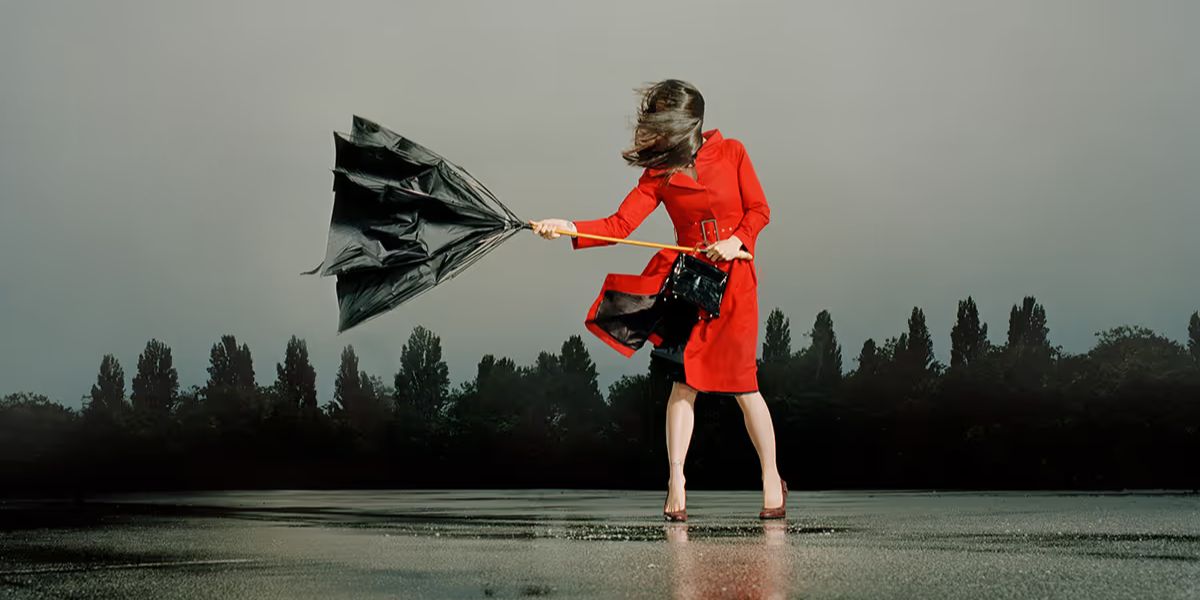
A resilient career is built not around a single company, but around a strong professional identity.
Periods of uncertainty—economic crises, market shifts, technological revolutions, or organizational restructuring—pose a direct challenge to career stability. In such times, success belongs not to the smartest or most experienced professionals, but to those who can effectively combine analytical thinking, emotional flexibility, and practical skills.
1. What Career Resilience Truly Means
Career resilience is not simply about keeping a job. It is the ability to:
-
adapt to change,
-
learn quickly,
-
maintain professional value in the market regardless of role or employer.
A resilient career is built not around a single company, but around a strong professional identity.
2. Mindset as a Strategic Tool
In this context, mindset goes beyond IQ. It includes:
-
accurate assessment of situations,
-
risk analysis,
-
long-term thinking,
-
the ability to make sound decisions at the right time.
During uncertain periods, it is crucial to understand what is within your control and what is not—and to focus your energy on the former.
3. Skills That Truly Matter
Today, the most valuable skills include:
-
transferable skills such as communication, problem-solving, and teamwork,
-
digital literacy,
-
analytical thinking and data-related skills,
-
self-management and stress management.
Technical expertise only retains value when it can be applied in a constantly changing environment.
4. Continuous Learning as a Necessity, Not a Trend
In uncertain times, learning becomes not a choice, but a survival mechanism. However, the key is not to learn everything, but to choose wisely:
-
which skills are in demand in the market,
-
which align with your experience,
-
which strengthen your professional position.
5. Psychological Stability as a Hidden Advantage
The psychological aspect is often underestimated. Yet in times of uncertainty, those who succeed are professionals who can:
-
remain calm,
-
sustain motivation,
-
view temporary instability as a process rather than a final outcome.
Maintaining and strengthening a career in uncertain times is only possible when mindset and skills work together. Strategic thinking without practical skills is ineffective, while skills without thinking offer only short-term value. Balance is the true competitive advantage.
Share article





Follow us in social networks
Related posts




-

Control the Direction, Not the Situation: The Role of Adaptability in Business
2026/03/18/ 18:13 -

IDBank issued the 2nd and 3rd tranches of bonds of 2026
2026/03/17/ 16:42 -

The Fourth Doing Digital Forum to be Held Under the Theme
2026/03/17/ 14:34 -
When work breaks your heart: how to overcome professional crises
2026/03/17/ 11:57 -

IDBank Launches Special Campaign for SWIFT Transfers
2026/03/16/ 18:42 -

Pay with Evoca Mastercard and get 10% cashback
2026/03/16/ 17:00 -
Change in the Executive Management of Converse Bank
2026/03/16/ 14:40 -

Converse Bank shares its capital market expertise at the IV Conference Capital Markets Armenia
2026/03/16/ 14:31 -

Investment Offer for Women
2026/03/13/ 18:31 -

Safe Workplace as a Guarantee of Development
2026/03/12/ 17:43
 Subscribe