

The evolution of work: technologies that changed the rules of the game
Analysis |
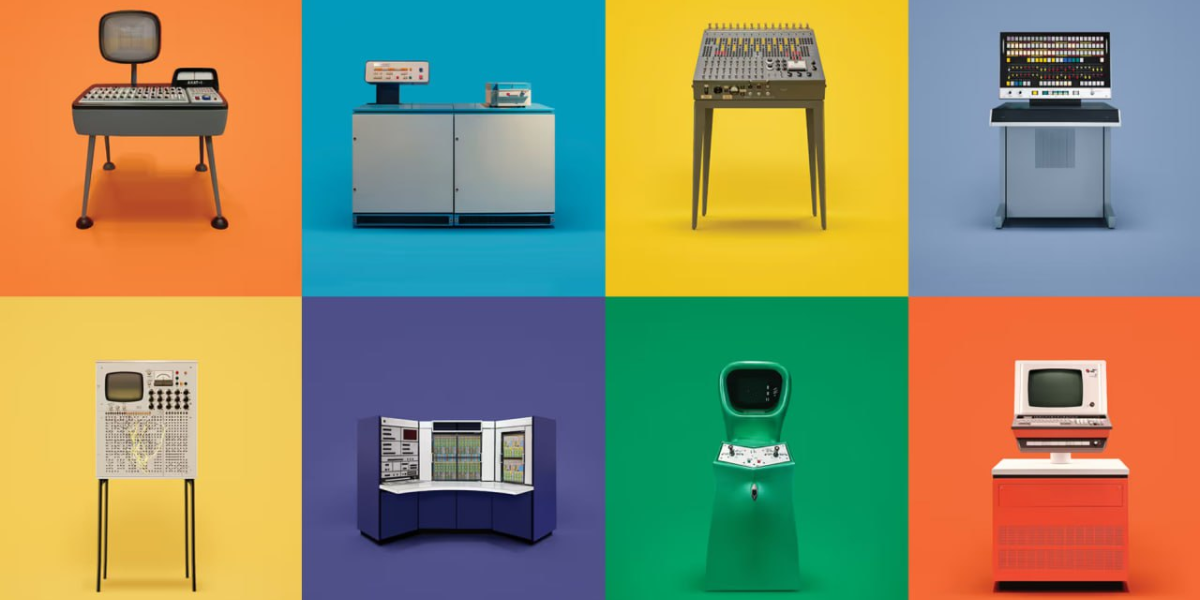
The widespread use of computers transformed the workplace environment.
The evolution of work is inseparable from technological progress. Tools have never been merely supportive instruments; they have reshaped business structures, management approaches, and professional roles across industries.
Early mechanical and electronic computing devices marked a turning point in how work was organized. Automation improved accuracy, reduced human error, and enabled companies to manage growing volumes of information. Business decisions increasingly relied on data rather than manual calculations.
As data processing systems advanced, organizations began to adopt analytical decision-making. Planning, forecasting, and performance measurement became standard practices. Employees were expected not only to execute tasks but also to understand processes and interpret information.
The widespread use of computers transformed the workplace environment. Workflows became faster and more interconnected, while employees took on multiple roles that combined technical, analytical, and communication skills. Continuous learning became essential for professional growth.
Technology also lowered barriers to entry for businesses. Tools once available only to large corporations became accessible to smaller companies, enabling them to compete and scale. Work began to be evaluated by value creation rather than physical presence.
This evolution demonstrates that technology consistently redefines the nature of work. While devices change the rules of the game, long-term success depends on how effectively people adapt, learn, and use these tools to drive sustainable business growth.
Share article





Follow us in social networks
Related posts





-

Multilayered Thinking: A Key Advantage of Successful Businesses
2026/03/04/ 18:23 -

IDBank Expands Travel Benefits of Premium Cards
2026/03/04/ 16:22 -
Aligning visions toward a common goal: the secret of a united team
2026/03/03/ 18:26 -
Constructive discussion instead of noise: the power of words in a team
2026/03/03/ 18:18 -

Your Crypto account — now in EvocaTOUCH
2026/03/02/ 18:40 -
7 Effective Ways to Build Trust Within a Team
2026/03/02/ 17:39 -
Rethinking Economic Strategy in a Politicized World
2026/03/02/ 17:01 -

Customer Appreciation Day at IDBank’s Echmiadzin Branch
2026/03/02/ 16:06 -

Choosing the Best Gifts for March 8 and Paying with the Idram&IDBank App
2026/02/27/ 12:34 -

One Step Ahead of Competitors: The Secret of Effective Brand Positioning
2026/02/26/ 18:03
 Subscribe