

Why We Almost Always Spend More in the Store Than We Planned
Analysis |
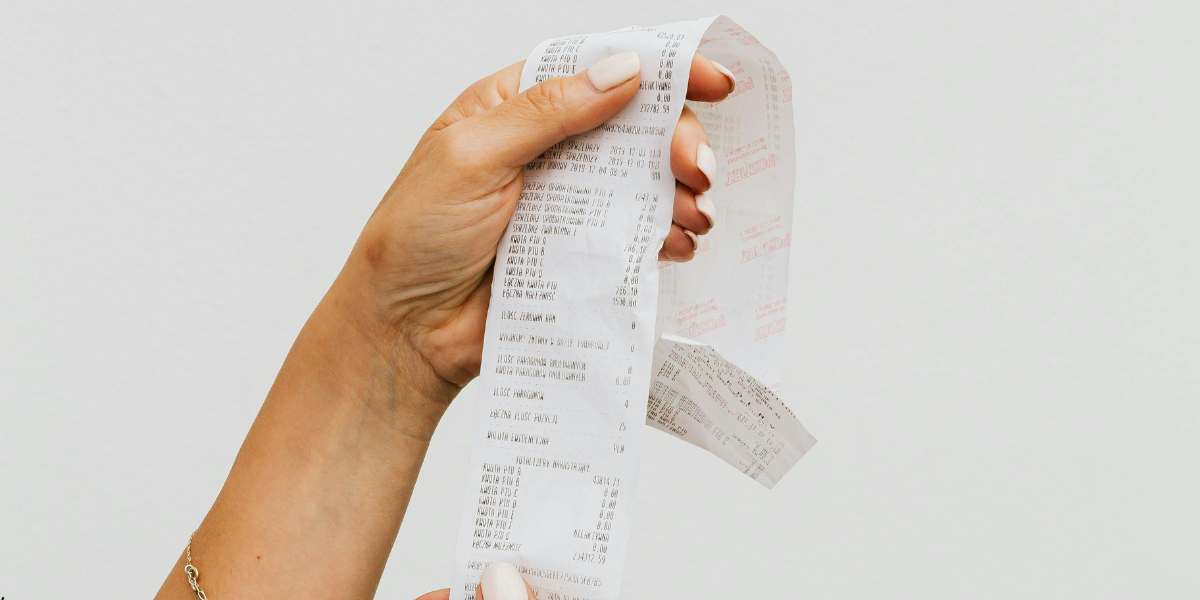
The moment you enter a supermarket, you step into a space intentionally designed to influence your decisions.
Almost everyone has experienced this: you walk into a store for one or two items and walk out with full bags, wondering, “How did I end up spending this much?”
This isn’t a lack of discipline. It’s a predictable behavioral pattern triggered by the environment of the store.
The moment you enter a supermarket, you step into a space intentionally designed to influence your decisions. Stores don’t just sell products — they sell atmosphere. Light, music, layout, product placement, colors and “hot zones” are all crafted to steer attention and disrupt your original plan.
Decision-making inside a store is emotional rather than rational. Products are arranged to catch the eye: bright packaging, convenient shelf placement, impulse areas near the checkout. Much of what people buy feels like a choice — but in reality, it is a reaction to carefully structured cues.
Price psychology is another major trigger. Prices like 9.99 or 14.90 make the product seem cheaper than it is. This “anchoring effect” leads the brain to perceive the price as more affordable. The result: people justify the purchase by thinking, “It’s not a big difference.”
Micro-spending is the invisible trap. Small items — snacks, drinks, add-ons, accessories, low-price extras — don’t feel significant individually, but their cumulative impact is huge. The less noticeable each item seems, the larger the final bill becomes.
Fatigue intensifies overspending. If someone shops after work — tired, stressed, mentally overloaded — their brain chooses not the best or cheapest option but the fastest one. Fast decisions are almost always more expensive. This is why evening shopping trips often end with the highest receipts.
Social influence also plays a role. If people around you are pushing full carts, your brain subconsciously interprets that as “normal behavior.” Without realizing it, you match the surrounding consumption level.
Finally, stores trigger the “just in case” instinct. Thoughts like “Let me grab one extra,” “It might run out,” or “I’ll need this eventually” expand the basket much more than actual needs.
In the end, we overspend not because we are irresponsible, but because stores are designed to make us overspend. It’s not a personal flaw — it’s how the environment shapes our behavior.
Share article





Follow us in social networks
Related posts

-
Aligning visions toward a common goal: the secret of a united team
2026/03/03/ 18:26 -
Constructive discussion instead of noise: the power of words in a team
2026/03/03/ 18:18 -

Your Crypto account — now in EvocaTOUCH
2026/03/02/ 18:40 -
7 Effective Ways to Build Trust Within a Team
2026/03/02/ 17:39 -
Rethinking Economic Strategy in a Politicized World
2026/03/02/ 17:01 -

Customer Appreciation Day at IDBank’s Echmiadzin Branch
2026/03/02/ 16:06 -

Choosing the Best Gifts for March 8 and Paying with the Idram&IDBank App
2026/02/27/ 12:34 -
One Step Ahead of Competitors: The Secret of Effective Brand Positioning
2026/02/26/ 18:03 -
AraratBank: Update+ - New Loan Offer with 2% Cashback
2026/02/26/ 12:18 -

When to Raise a Concern at Work — and When Not To: Choosing the Right Moment to Speak Up
2026/02/25/ 18:13
 Subscribe