

The Key Differences Between Artificial Intelligence and Human Thinking: What Is the Secret?
Analysis |
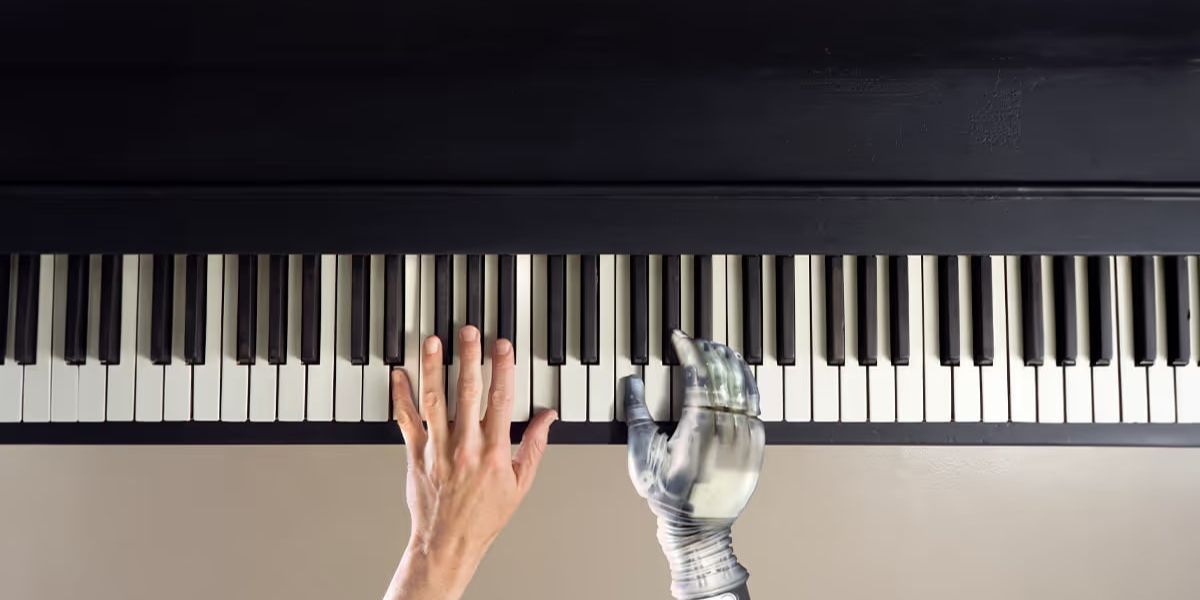
Artificial intelligence (AI) is built on algorithms and mathematical models.
Technological progress has brought humanity to a new stage: machines analyze data, generate text, recognize images, and participate in creative processes. Yet a fundamental question remains: does artificial intelligence think the way humans do? If not, what is the core difference?
The Nature of Thinking: Calculation vs. Consciousness
Artificial intelligence (AI) is built on algorithms and mathematical models. It processes vast amounts of data, detects patterns, and generates predictions. Its “thinking” is computational — it does not feel or possess awareness.
Human thinking emerges from the biological brain. It includes emotions, intuition, memory, subconscious processes, and social experience. Humans think not only through data but through values and personal history.
AI calculates. Humans experience and reflect.
Data vs. Experience
AI learns from data. The more high-quality data it has, the more accurate its output. However, it does not understand meaning in a human sense.
Humans learn through lived experience — failure, success, relationships. Experience shapes meaning. The same fact can carry different interpretations depending on one’s life story.
AI does not suffer or feel inspired. Human decisions may be emotional and sometimes irrational.
Creativity: Recombination or Expression?
AI can create music, images, and texts by recombining existing patterns. It produces new configurations from past material.
Human creativity often arises from inner experience — from love, loss, curiosity, or existential questioning.
AI creates without inner motivation. Humans create to express.
Intuition and Uncertainty
Intuition is a defining trait of human thinking. People often make decisions with incomplete information, relying on subconscious processing.
AI performs best in clearly defined tasks. In complex moral or ambiguous situations, it depends entirely on predefined rules and data.
Responsibility and Morality
Humans bear responsibility for their choices and can experience guilt or pride. Moral decisions involve values beyond calculation.
AI does not possess moral accountability. Responsibility lies with its designers and users.
The Secret Behind the Difference
The difference is often linked to consciousness. Humans are self-aware; they know that they think. They question their existence and reflect on meaning.
AI lacks self-awareness. It does not understand the significance of its outputs.
Human thinking seeks “why.” AI operates primarily on “how.”
The Future Relationship
Artificial intelligence can amplify human intellectual capabilities but does not replace human consciousness. A collaborative model is emerging: machines accelerate analysis, while humans define goals, ethics, and meaning.
The distinction between AI and human thinking is not merely technical — it reflects the deeper question of what it means to understand, to feel, and to create meaning in the world.
Share article





Follow us in social networks
Related posts





Analysis | 2026/02/20 17:54
3 Habits That Transform Your Professional Level
Professionalism is a daily decision.

-
Your Crypto account — now in EvocaTOUCH
2026/03/02/ 18:40 -
7 Effective Ways to Build Trust Within a Team
2026/03/02/ 17:39 -
Rethinking Economic Strategy in a Politicized World
2026/03/02/ 17:01 -

Customer Appreciation Day at IDBank’s Echmiadzin Branch
2026/03/02/ 16:06 -

Choosing the Best Gifts for March 8 and Paying with the Idram&IDBank App
2026/02/27/ 12:34 -
One Step Ahead of Competitors: The Secret of Effective Brand Positioning
2026/02/26/ 18:03 -

AraratBank: Update+ - New Loan Offer with 2% Cashback
2026/02/26/ 12:18 -
When to Raise a Concern at Work — and When Not To: Choosing the Right Moment to Speak Up
2026/02/25/ 18:13 -

“My phone rang…”: IDBank warns about a rise in fraud using the “call from the bank” scheme.
2026/02/25/ 17:22 -

2% Cashback on Payments Made with AraratBank Arca Cards
2026/02/24/ 10:46
 Subscribe