

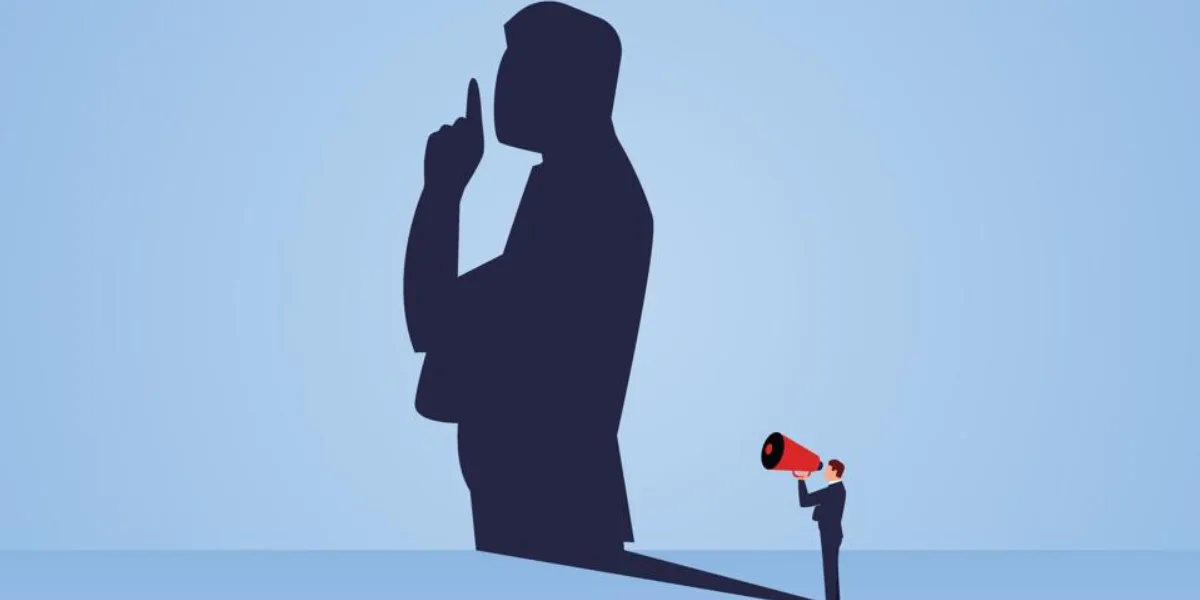
One of his speeches at MIT demonstrates an important moment—the long silence. When asked a question, Jobs thought for more than twenty seconds before starting to answer. That pause was not just hesitation; it amplified his words and showed depth.
This phenomenon has also been observed in other leaders later on. For example, Romania's President Klaus Iohannis is known for remaining silent for 15-20 seconds before answering questions. The "Financial Times" has called it the "strategic use of silence."
Why Silence is So Powerful
Many speakers avoid pauses because adrenaline makes them speed up their speech. When you stand in front of an audience, your heart starts to race, and it seems that silence could derail the presentation. However, in reality, silence does not weaken but strengthens speech.
A study from MIT Sloan School of Management has shown that silence creates a consultative mindset, helps build trust, and adds value in negotiations. That is why it is often said in the business world: "Whoever speaks first loses."
How to Use Silence to Your Advantage
Silence does not mean passivity. It is a tool that can make speech persuasive. Here are a few ways to use it effectively:
- Pause to take a breath and think.
- Pause to give the audience time to understand what you said.
- Pause to look at the slides or your notes.
- Pause to draw attention in the interaction.