

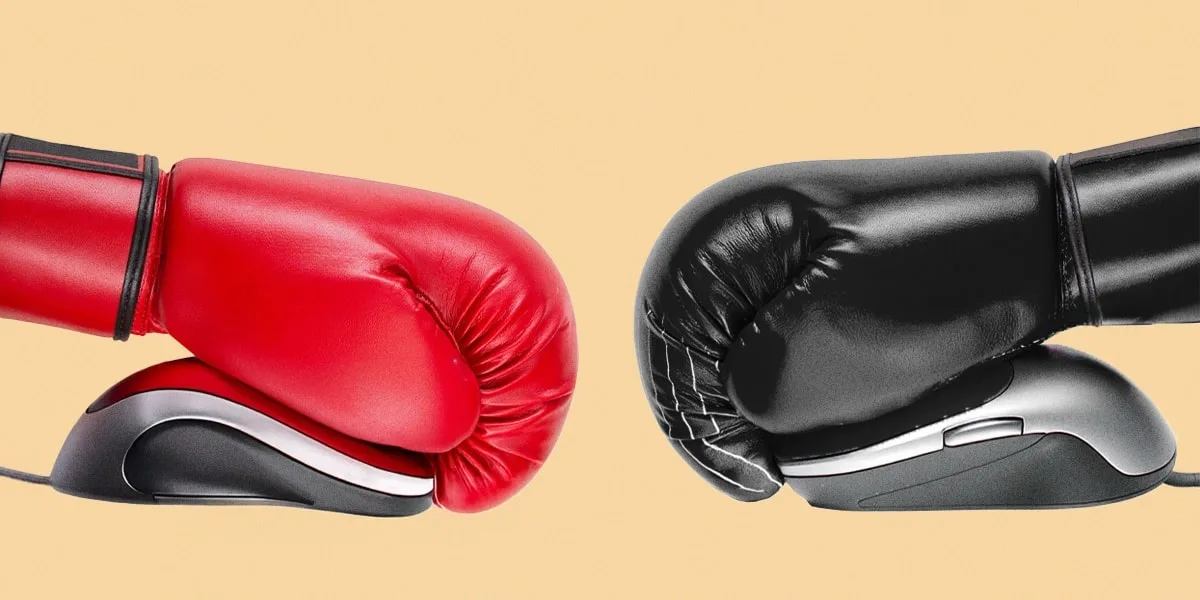
Competition in business is often perceived as a threat: it can reduce market share, lower prices, or complicate sales. However, when applied correctly, competition can become a powerful tool for making a brand more visible and instilling greater trust.
Competition as a Story
Brands often use competitors to highlight their own strengths. For example, when Pepsi tweeted in 2019, "We don't have Pepsi, is Coca-Cola good? #SixWordHorror," it was not only a humorous jab but also a reminder that Pepsi exists as an equal alternative to Coca-Cola. Such humorous "battles" attract significant attention on social media and increase visibility for both.
Humorous Competition
Humor often becomes the most effective weapon. For example, Burger King has mocked McDonald’s for years in various advertising campaigns. Once, they launched the "Whopper Detour" campaign, offering a burger for just 1 cent to users who ordered through their app near McDonald’s restaurants. This not only boosted sales but also strengthened the brand's bold and playful character.
Competition as a Driver of Innovation
Competition forces companies to be more creative. The rivalry between Apple and Samsung is a classic example: after each new iPhone launch, Samsung rushes to bring an innovative model to market, and vice versa. This race has led to technological revolutions over the years, resulting in better screens, cameras, and software solutions.